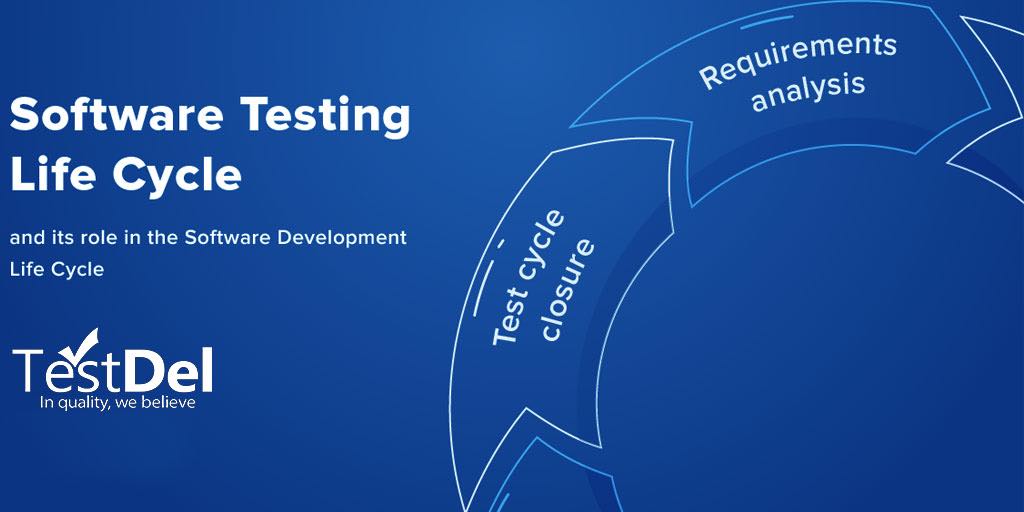
STLC Process
The software testing process, i.e. Software Testing Life Cycle (STLC) is a testing technique that can help you meet software quality requirements more effectively. STLC requires phased research that is carried out in a systematic manner.
Software Testing Life Cycle
The Software Testing Life Cycle is a process for testing software and ensuring that it meets quality requirements. The tests are carried out in sequential order over many stages. Processes of the STLC are repeated several times during product development before a product is considered appropriate for launch.
Software Testing Process, The STLC Stages In-depth
Finding bugs is the primary objective of software testing. There are also plenty of other equally important factors that contribute to successful testing implementation. Both technological and business specifications must be met by software. As a result, another crucial aim of the testing process is to check and validate software to ensure that it functions correctly but without errors.
The Software Testing Life Cycle is divided into six stages, each with its own set of entry and exit requirements, as well as activities and deliverables. When a process will begin and end, it is defined by entry and exit criteria. What actions are done and what the anticipated outcome is are described by activities and deliverables. Some of these steps may be completed at the same time, while others require the completion of earlier stages.
Stage I: Assessment of Requirements
The functionality requirements compiled during the SDLC process are assessed during this phase to identify testable aspects. In order to explain the criteria, testing teams will need to communicate with stakeholders. These requirements may be either functional or non-functional, describing what a function can do or its attributes. This process also assesses the ability to automate testing.
Entry Parameters: Requirements documentation, acceptance criteria, and intended product design
Exit Parameters: The requirement traceability matrix (RTM) and automation feasibility report have been authorized.
Stage II: Test Preparation
The test strategy is described in a test plan document during this process. This approach outlines the required equipment, testing procedures, and duties and responsibilities. A threat and financial estimation, as well as an approximate research timetable, are all part of evaluating this plan.
- Entry Parameters: Analysis of requirements, RTM, and automation feasibility report.
- Exit Parameters: Timeframes and a risk/cost analysis have been accepted as part of the test plan.
Stage III: Creation of Test Cases
Test cases are produced during this stage. Each case specifies the test inputs, methods, circumstances of implementation, and expected outcomes. Transparent, effective, and flexible test cases are important. Test coverage should be 100% until all test cases have been developed. During this process, any required automation scripts are also developed.
- Entry Parameters: Timeframes and a risk/cost analysis have been accepted as part of the test plan.
- Exit Parameters: Test cases and automation scripts that have been accepted.
Stage IV: Layout of the Test Environment
Testing environments are developed and implemented during this process. Various testing tools, such as TestComplete, Selenium, Appium, or Katalon Studio, may be used during this process. This process can also involve the setup of test servers. Smoke tests are performed after environments have been implemented to ensure that they are operating as planned with all intended features.
- Entry Parameters: Interpretations of system design and project architecture.
- Exit Parameters: Test cases that have been accepted and a fully functioning test environment
Stage V: Execution of the Tests
Throughout this process, functionality is tested using existing test cases in the deployed environment. Predicted and real test results are compared, and data is collected to be reported back to development teams.
- Entry Parameters: Test cases that have been accepted and a fully functioning test environment
- Exit Parameters: All tests are completed, and the results are recorded.
Stage VI: Closure of the Test Cycle
The final step of the STLC is the preparation of a test result report. This study should include a summary of the entire testing process as well as comparisons of predicted and actual outcomes. These measures include the number of goals reached, the amount of time it took, the overall cost, the test coverage, and any defects discovered.
- Entry Parameters: All previous phases’ test results and logging are available.
- Exit Parameters: The test closure report was submitted and authorized.
Activities involved in STLC
The following are some of the most popular activities found in a Software Testing Life Cycle framework:
- Client and stakeholder framework criteria are analyzed.
- A traceability matrix is being developed (a document that determines project completeness by comparing requirements with features)
- Recognition of the types and techniques of testing that are needed for each function
- An examination of how activities may be automated
- Knowledge about the environment is identified.
Benefits of STLC
- Testing has been moved to the end of the production cycle. This means that tests are well-designed and function requirements are straightforward.
- Systematic testing speeds up the testing process, allowing the team to identify and fix problems more quickly.
- Testing is done with well-defined goals and stages, making project progress easier to detect.
For more than 5 years, businesses around the world have relied on TestDel’s independent software testing services and experience to achieve faster time to market, higher returns on investments (ROI), and improved efficiency in their overall QA initiatives. Connect with our experts to improve the pace and agility of your QA processes with the most cutting-edge research concept.